
Do I Really Need Supplements? Separating Health Needs from Marketing Hype
Consumers are regularly exposed to advertisements promoting supplements for better sleep, clearer skin or improved concentration. With so many products making health-related promises, it can be difficult to understand which supplements are necessary and which may be influenced more by marketing than personal need.
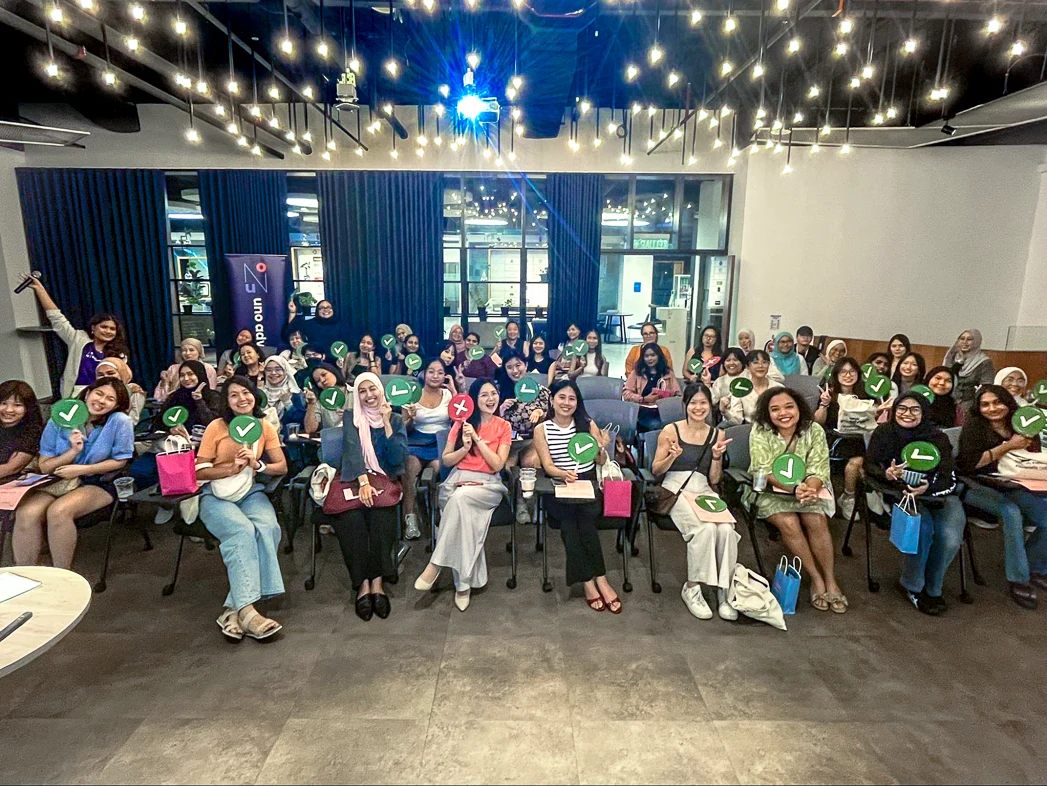
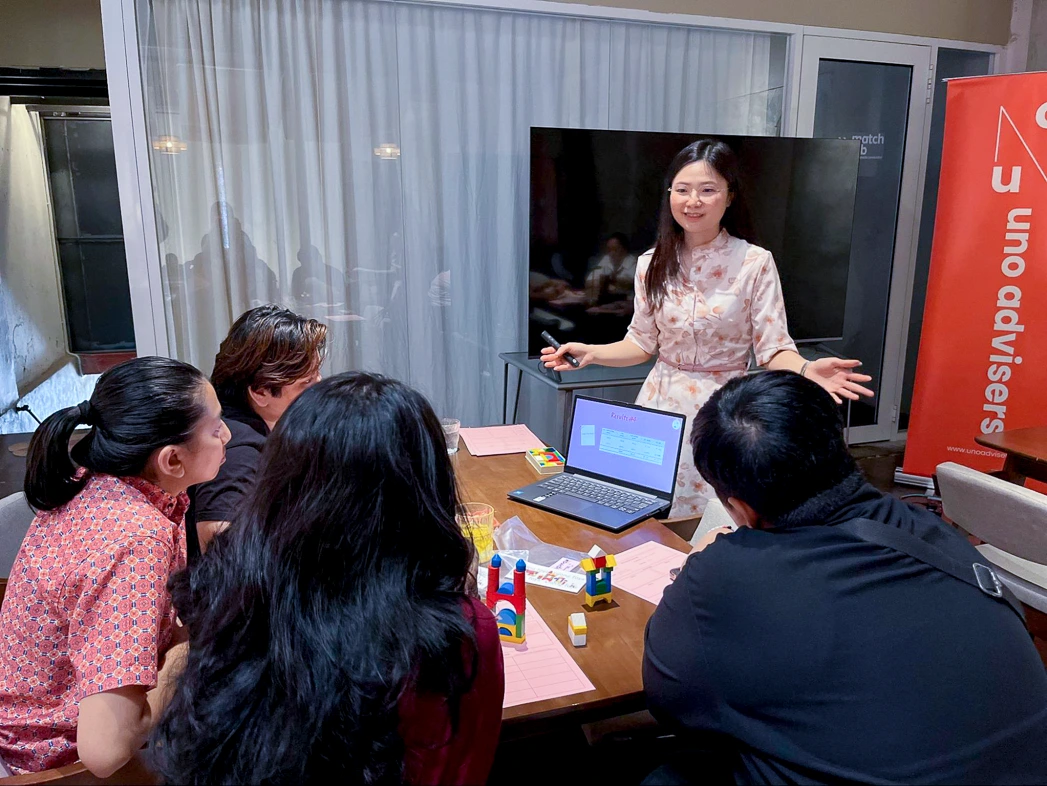
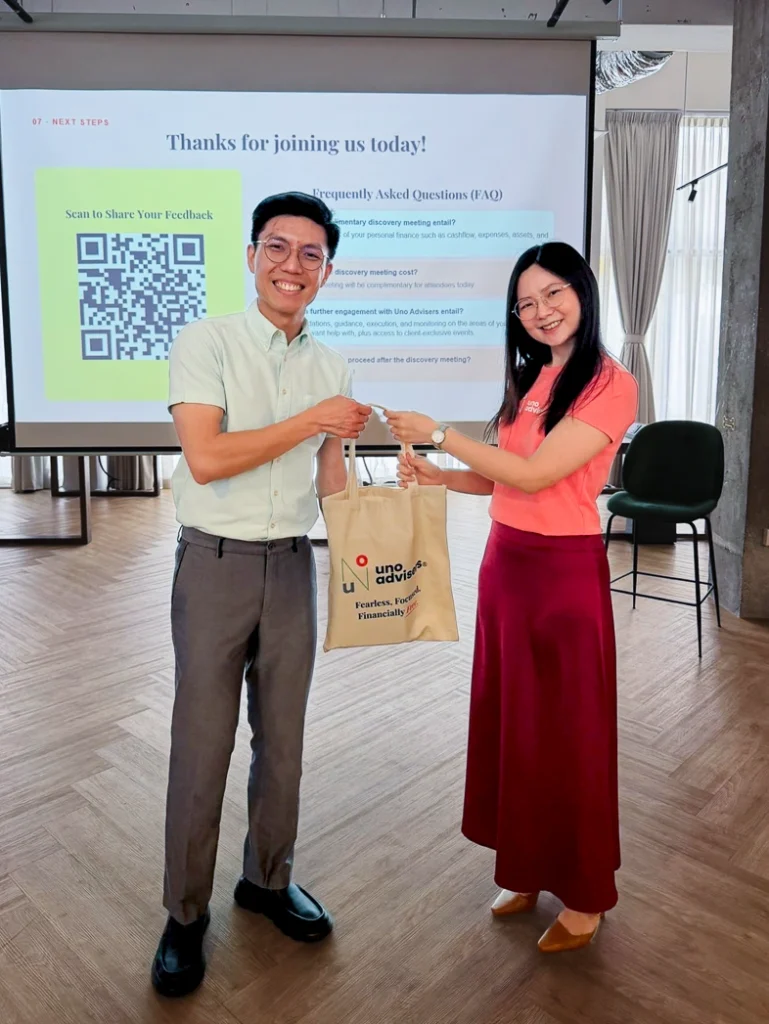
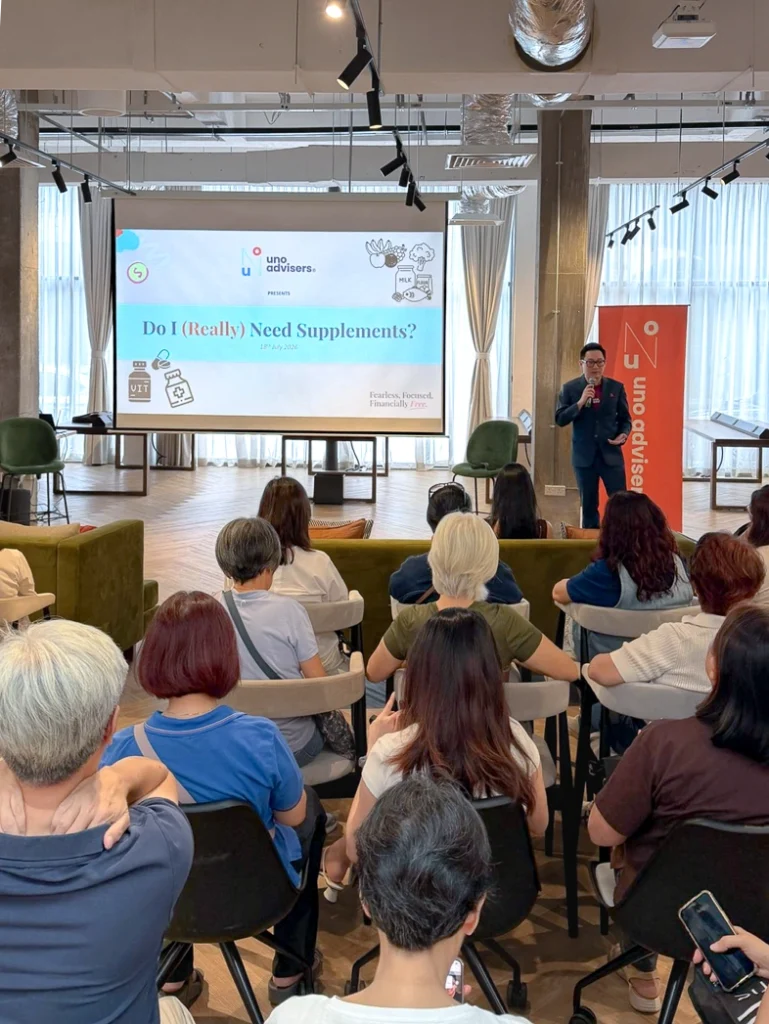
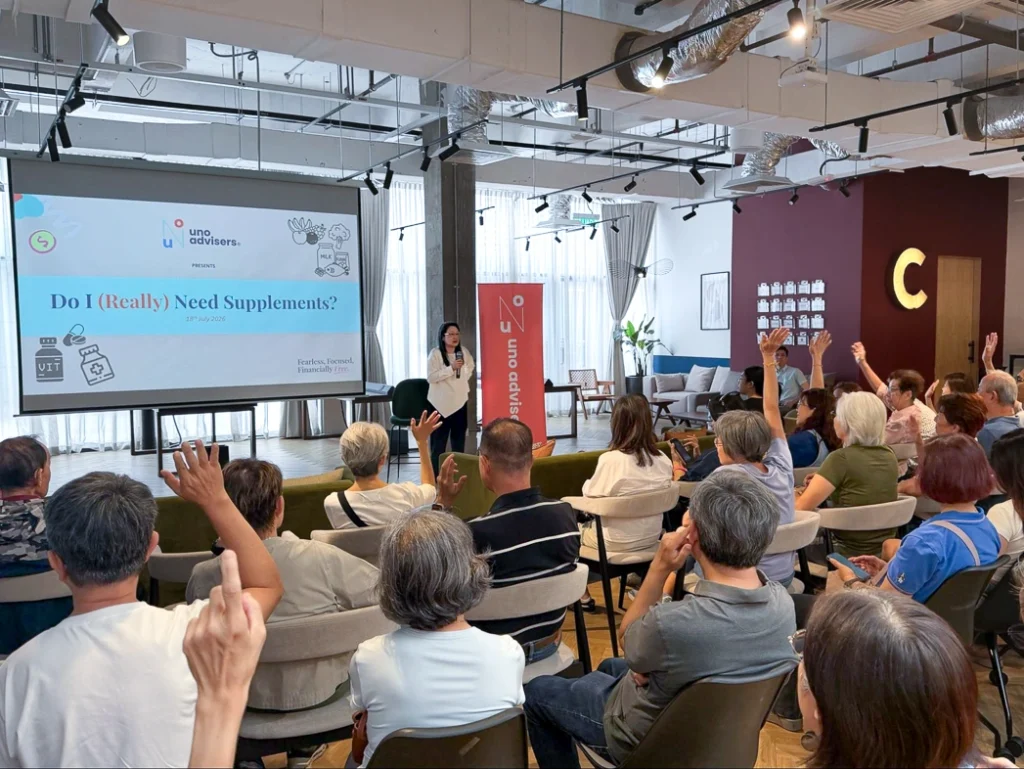
As part of Uno Advisers’ Health is Wealth event series, we welcomed back consultant clinical radiologist and public health educator Dr Evelyn Ho. She was joined by Ng Kar Foo, clinical dietitian and Unit Head of Dietetics and Food Services at ParkCity Medical Centre.
Together, the speakers helped participants examine supplements through an evidence-based lens.
Food First
One of the key messages from the session was that a colourful and balanced diet can provide a broad range of nutrients.
Participants were encouraged to “eat the rainbow” by incorporating different colours of whole foods into their meals. The discussion highlighted that, for many people, balanced food intake should remain the foundation of nutrition.
The speakers also addressed the common assumption that taking more vitamins must be better. Excessive intake or megadosing may not necessarily provide additional benefits and can potentially cause harm. Individuals should therefore seek appropriate professional advice rather than taking supplements based only on advertisements or online trends.
Looking Beyond Health Marketing
The session also examined common misconceptions surrounding vegetable juices. While they may appear healthy, juicing can remove fibre from vegetables. The speakers encouraged participants to consider whole foods rather than assuming a processed health product is automatically the better choice.
At Uno Advisers, we believe that money should be spent with care and purpose. This includes making informed decisions about products marketed for health and wellness.
Much like reviewing an investment or insurance commitment, individuals should understand what they are paying for and whether it suits their actual needs. Our previous event on medical screenings and financial well-being similarly explored why more testing or spending does not always lead to better outcomes.
We would like to thank Dr Evelyn Ho and Ng Kar Foo for sharing their professional perspectives. The session encouraged participants to look beyond marketing claims and make health-related spending decisions with greater care.